Schmuckzubehör, Perlen, Lederband und Gravuren von Magic and Arts - Schmuck einfach selber machen
.jpg "Traditionelle keltische Flechtarmbänder")
Trendige Schmuckdesigns selber herstellen wie ein Profi
Schmuckzubehör aus Silber und weiteren hochwertigen Materialien...
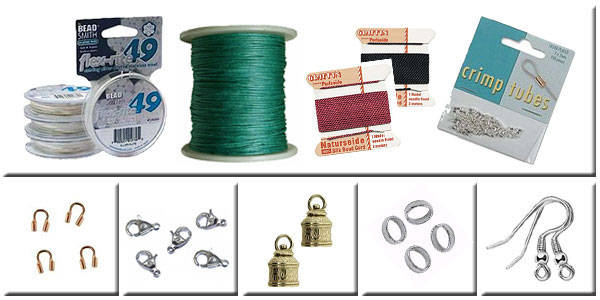
Mit Schmuckzubehör, Perlen und Lederband selbst schöne Schmuckstücke basteln. Wir können Ihnen eine Auswahl an hochwertigem Schmuckzubehör anbieten. Neben schönen Verschlüssen für Halsketten & Armbänder können Sie Zwischenteile in unterschiedlichen Größen & Formen, Perlen, Perlenkappen, Headpins, Anhänger mit aussergewöhnlichen Motiven & in verschiedenen Größen, sowie Ohrringteile für Ihre eigene Schmuckherstellung in unserem Onlineshop kaufen. Juwelierdraht und Drahtschutzösen, sowie Quetschperlen und Quetschperlenhülsen, Zubehör für die professionelle Schmuckgestaltung, bieten wir natürlich auch zu günstigen Preisen an. Es besteht auch die Möglichkeit Ihren Wünschen entsprechend aus unserem Zubehör z.B. Halsketten oder Armbänder speziell für Sie anzufertigen. Weiterhin können Sie bei uns auch Perlen aus anderen Materialien, wie z.B. Glasperlen oder auch Halbedelsteine kaufen. Finden Sie Schmuckverschlüsse, die zum Design der geplanten Halskette passt. Wir sind bemüht unser Sortiment an Schmuckzubehör und Perlen ständig zu erweitern.
Angebote für gravierte Logoanhänger
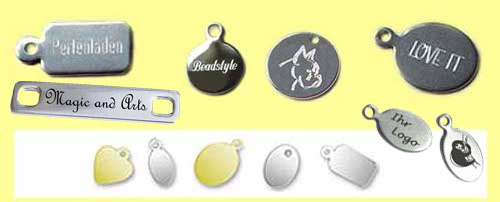
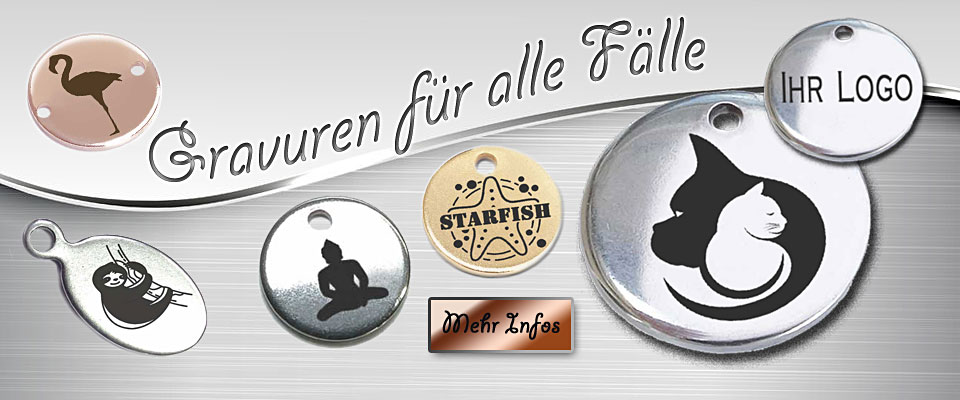
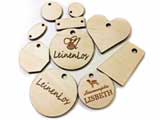
Viele unserer Kunden haben sich bereits einen Stempel anfertigen lassen, um Designer Logos für Ihre Schmuckstücke anfertigen zu können. Da dies jedoch eine sehr aufwändige Arbeit ist, haben wir immer wieder Nachfragen nach fertig gravierten bzw. gestempelten Logoanhängern gehabt. Nun können wir auch fertig gravierte Logoanhänger in verschiedenen Ausführungen liefern. Wie bislang können wir feine Umrissgravuren erstellen die mit einem Diamanten graviert werden, neu ist aber die Möglichkeit die Gravuren schwarz auszulegen. Motive in schwarz weiß die schwarze Füllungen besitzen können nun auch 1 zu 1 graviert werden. Darüber hinaus steht nun auch ein CO2 Laser zur Verfügung mit dem wir kleine Serien aus Plexiglas, Acryl und eloxiertem Aluminium gravieren und je nach Material auch schneiden können. So können die Anhängergrößen auch auf das verwendete Motiv angepasst werden. weiter lesen
Message Anhänger - verschiedene Sprüche oder auch mit eigenem Text
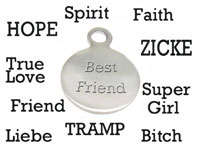
Message Anhänger kommen immer mehr in Mode. Es macht einfach Spaß, durch die Verwendung der verschiedensten Begriffe auf Anhängern graviert, bei seinen Schmuckstücken zusätzlich passende Akzente zu setzen. In diesem Angebot verwenden wir aktuell 12mm große, runde Anhänger aus silber blankem Edelstahl mit Öse, die mit einem passenden Biegering zur Montage geliefert werden. Wahlweise finden Sie auch ein Angebot mit 12mm runden Anhängern aus reinem Messing. Im jeweiligen Angebot können Sie Ihren Wunschtext selbst angeben und den Anhänger bestellen. Diese beiden Angebote gelten jedoch nur für Textmotive in der Schriftart Rockwell 1L.
Sie können natürlich auch an unsere Emailadresse Ihr eigenes Bildmotiv oder Logo liefern, Wünsche zur Schriftart äußern und den oder die gewünschten und zum Motiv passenden Anhänger aus unserem Sortiment auswählen. Da gelten jedoch etwas andere Konditionen, als bei den reinem Textmotiven, da der Aufwand bei der Motiverstellung wesentlich größer ist.
Hier können Sie sich über die Gravurgebühren und das Angebot an Logo Anhängern aus verschiedenem Material und in unterschiedlichen Größen und Stärken leicht informieren.
Hill Tribe Silberschmuck bei Magic and Arts kaufen
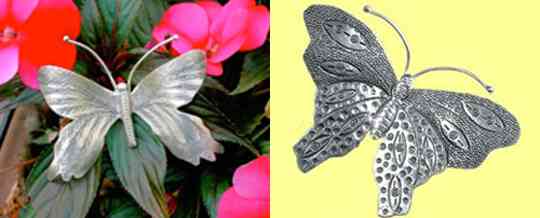
Hill Tribe Silberschmuck oder Thaisilber aus dem Norden Thailands ist sehr beliebt und hat mittlerweile seinen festen Platz in der Modewelt. Durch viele Kreationen werden die unterschiedlichsten Schmuckstücke hergestellt und auf dem Markt verkauft. Grenzen werden hier der Fantasie nicht gesetzt. Die Silberschmiede der alten Bergstämme arbeiten ausschließlich von Hand und verwenden dabei 995/1000 Feinsilber. Jedes Silberschmuckstück ist ein Unikat und wird mit viel Liebe zum Detail kreiert. Dieses fast reine Silber hat im Gegensatz zu anderen Silberarten höhere Materialkosten und ist ein exquisites Produkt. Wer an Thaisilber denkt, denkt nicht nur an die vollendete Qualität, sondern auch an weitere Namen wie Lanna Silber, Karen Silber. Außergewöhnliche Muster, Motive aus der Natur und das verarbeitete Wissen aus der eigenen Kunst des Karen Hill Tribe Volksstammes beseelen diesen besonderen Silberschmuck, der eine große Spiritualität in sich trägt. Jede Familie fertigt Ihre eigenen, ganz besonderen Designs.Verbundenheit mit der Natur ist dem Volksstamm sehr wichtig und deshalb sind ihre Motive auf dem Silberschmuck ein grandioser Ausdruck für das Eins sein mit der Welt.
Perlen aus Edelstein- die Seele der Schmuckherstellung
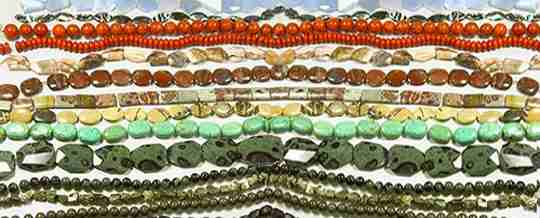
Perlen aus Edelstein, Halbedlestein oder Schmuckperlen, wie diese oft genannt werden, sind zweifellos mit die wichtigsten Elemente bei der Zusammenstellung von Schmuckdesigns. Steine sind alt und haben viele Jahreszeiten erlebt, versteckt irgendwo in der Erde, bis sie eines Tages ans Licht gekommen sind. Dann wurden diese Edelsteine noch behandelt, zumindest geschnitten, geschliffen, gebohrt und poliert und werden zur Edelstein Perle. Viele von diesen Perlen wurden auch noch mit den unterschiedlichsten Methoden verbessert oder stabilisiert. Manchen Steinen sagt man heilende Kräfte nach, was aber sicher ist, jeder Edelstein hat seine Geschichte, eigene Energie und Ausstrahlung. Die Kunst ist es, diese Ausstrahlung in den jeweiligen Schmuckdesigns zu harmonisieren. Aber auch Metallperlen, Kupferperlen, Perlen aus Horn und Knochen, von Hand gedrehte Glasperlen, Perlen mit großen Bohrungen, wie auch schön geschnitze Holzperlen gehören zu unserem Sortiment.
Edelsteinkauf ist Vertrauenssache - Informationen zum Edelsteinkauf bei Magic and Arts
Bei den heutigen technischen Möglichkeiten ist es auch für einen Fachmann manchmal schwierig, zu erkennen, ob er einen echten Stein vor sich hat oder eine Imitation. Hinzu kommt, dass 99% aller Steine auf irgendeine Art, meistens durch Hitze, behandelt werden, um ihre Schönheit zu verstärken oder ihr Aussehen zu verändern. Karneole zum Beispiel werden schon seit dem Altertum der (Sonnen-) Hitze ausgesetzt. Dies bewirkt, dass sich das darin enthaltene Eisenhydroxyd in Eisenoxyd umwandelt, was zu der begehrten roten Farbe führt. Eine Prozedur, die die meisten roten Achate ebenfalls hinter sich haben.
Schmuck aus Lederband
Noch nie waren die Möglichkeiten so vielfältig um selber Schmuck aus Lederbändern herzustellen. Auf dem Markt findet man unzählige Verschlüsse mit unterschiedlichen Innenmaßen, Großloch- und Schiebeperlen sowie andere Komponenten wie z. B. Anhängerösen oder passende Charms. Da passt es gut, dass Lederschmuck, insbesondere Lederarmbänder, die gleich zu mehreren getragen werden, zurzeit voll im Trend liegen. Wir möchten Ihnen hier nur einige wenige der möglichen Designvarianten vorstellen:
Eine bestechend einfache aber wirkungsvolle Methode besteht aus nur zwei Komponenten: aus einem beliebigen Lederband und einem in der Größe passenden, attraktiven Lederbandverschluss.
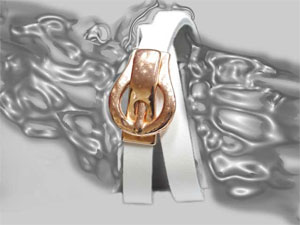
Wir haben hier ein weisses 10mm Lederband flach doppelt gewickelt und in einen Magnetverschluss Schnalle Hammerschlag mit Roségold Platierung eingeklebt. Der schicke Verschluss reicht als Deko-Objekt vollkommen aus, der Wickel-Look gibt dem Lederarmband einen lässigen Touch. weiterlesen
-

Biegeringe 304 Edelstahl Rose vergoldet 6mm Draht 0.8mm offen 25 Stck
2,90 €
Grundpreis: 0,12 € pro Stck
inkl. 19% USt., zzgl. Versand -

Karabinerverschluss Edelstahl 11mm 5 Stück
3,60 €
Grundpreis: 0,72 € pro Stck
inkl. 19% USt., zzgl. Versand -

Biegeringe 304 Edelstahl offen 6mm Draht 0.8mm
2,90 €
Grundpreis: 0,06 € pro Stck
inkl. 19% USt., zzgl. Versand


-

Logoanhänger Messing versilbert 15mm je 1 Stck.
0,41 €
Grundpreis: 0,41 € pro Stck
inkl. 19% USt., zzgl. Versand